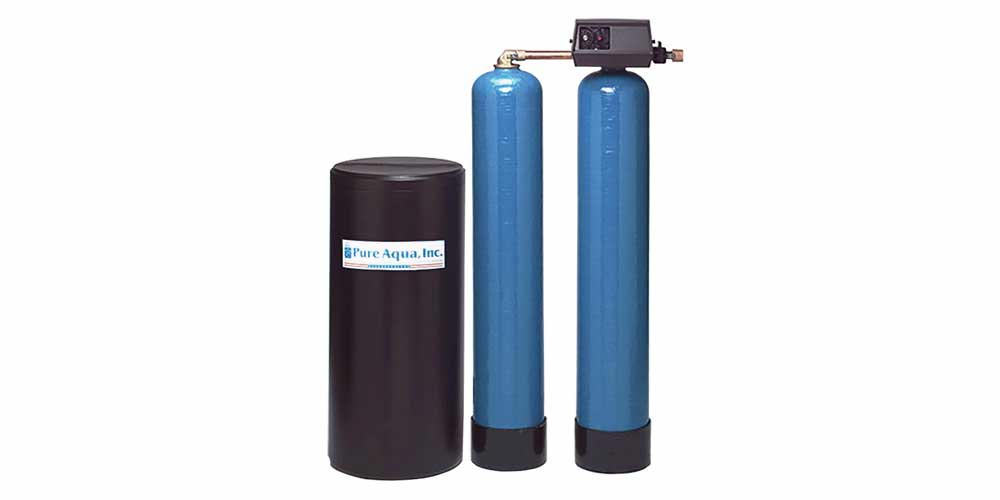
Showing 1–8 of 9 results

Water Softener Systems
Through the process of ion exchange, water softener systems reduce magnesium and calcium found in water by replacing these hardness minerals with sodium ions. As hard water enters the mineral tank, it passes through a bed of ion exchange resin that captures calcium and magnesium ions and releases sodium ions.
Hard water can contribute to scale buildup in pipes, boilers, heat exchangers, water heaters, fixtures, and other water-using equipment. Water softener systems help reduce these effects by lowering the concentration of calcium and magnesium responsible for water hardness.
Pure Aqua offers a complete range of industrial, commercial, and residential water softener systems designed for dependable operation, long service life, and a wide range of flow requirements.
Advantages of Water Softener Systems:
- Helps reduce scale buildup in residential, commercial, and industrial water systems
- Helps protect water-using equipment and appliances from hardness-related deposits
- Provides lower-hardness water for improved everyday water use
- Automatic regeneration options including time-clock and metered control

SF-100S WATER SOFTENER
INDUSTRIAL SIZED WATER SOFTENER
Exchange Capacity
160K to 4,200K Grains
Service Flow Rates:
40 to 1,000 GPM
- Epoxy Coated Carbon Steel Tanks
- Diaphragm or Butterfly Valves
- Digital Stager or PLC
- Tanks: 24″ to 84″ Diameter
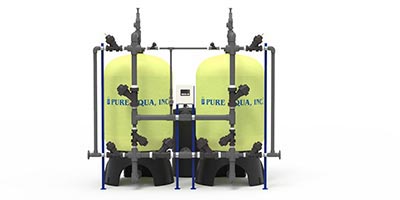
SF-110F WATER SOFTENER
INDUSTRIAL SIZED WATER SOFTENERS
Exchange Capacity
90K to 1,800K Grains
Service Flow Rates:
15 to 300 GPM
- Fiberglass (FRP) Tanks
- Diaphragm or Butterfly Valves
- Digital Stager or PLC
- Tanks: 14″ to 63″ Diameter
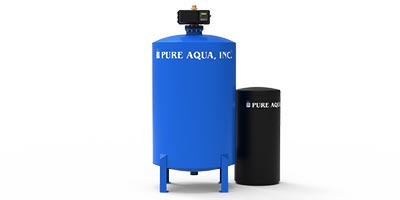
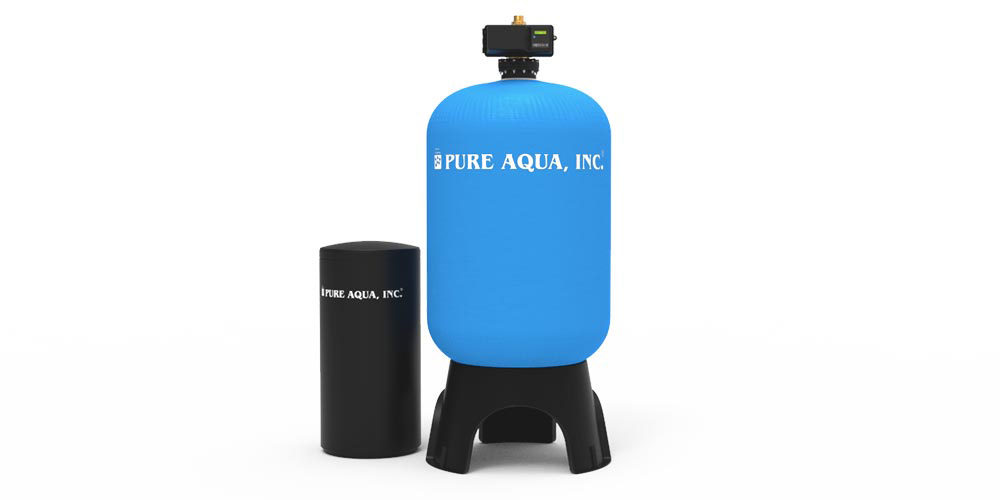
SF-150S WATER SOFTENER
EPOXY COATED STEEL TANK w/ FLECK CONTROL VALVE
Exchange Capacity
90K to 210K Grains
Service Flow Rates:
19 to 220 GPM
- Epoxy Coated Carbon Steel Tanks
- Fleck Control Valves
- Automatic or Manual Backwash Valves
- Tanks: 14″ to 60″ Diameter
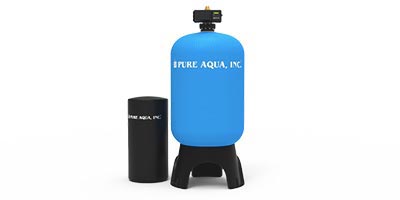
SF-200F WATER SOFTENER
FIBERGLASS TANK w/ FLECK CONTROL VALVE
Exchange Capacity
60K to 1,800K Grains
Service Flow Rates:
18 to 300 GPM
- Fiberglass (FRP) Tanks
- Fleck Control Valves
- Automatic or Manual Backwash Valves
- Tanks: 12″ to 63″ Diameter
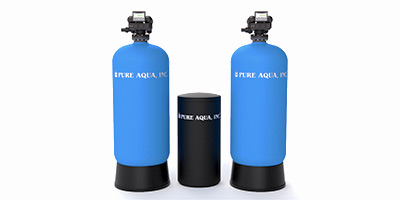
SF-250A WATER SOFTENER
FIBERGLASS TANK w/ AUTOTROL CONTROL VALVE
Exchange Capacity
15K to 600K Grains
Service Flow Rates:
8 to 95 GPM
- Fiberglass (FRP) Tanks
- Magnum Autotrol Control Valves
- Automatic Backwash Valve
- Tanks: 7″ to 36″ Diameter

SF-300C WATER SOFTENER
FIBERGLASS TANK w/ CLACK CONTROL VALVE
Exchange Capacity
60K to 1,800K Grains
Service Flow Rates:
9 to 300 GPM
- Fiberglass (FRP) Tanks
- Clack Control Valves
- Automatic Backwash Valve
- Tanks: 7″ to 63″ Diameter

SF-500F WATER SOFTENER
FIBERGLASS TANK w/ FLECK CONTROL VALVE
Exchange Capacity
15K to 300K Grains
Service Flow Rates:
8 to 30 GPM
- Fiberglass (FRP) Tanks
- Fleck Control Valves
- Automatic Backwash Valve
- Tanks: 7″ to 24″ Diameter
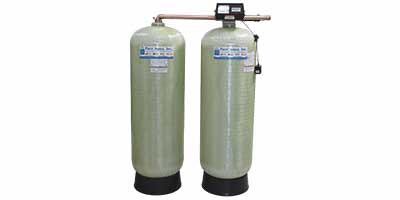
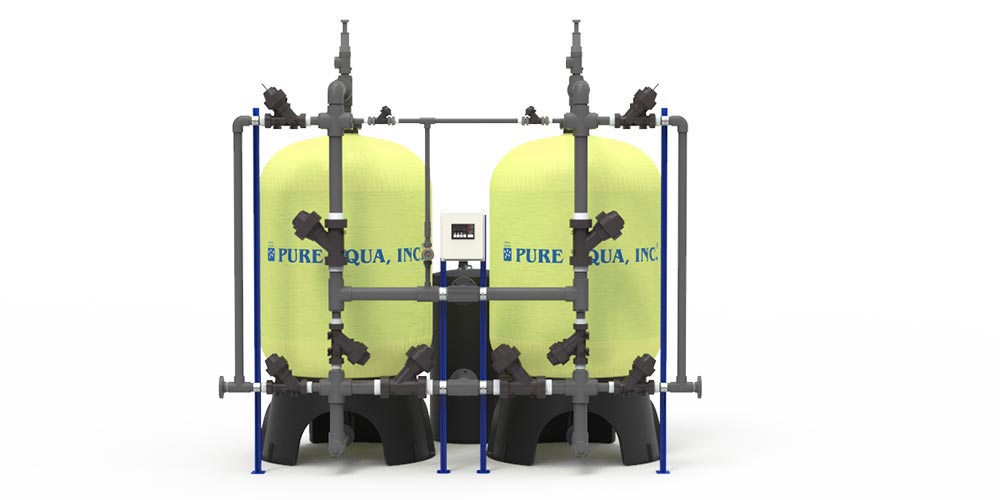
SF-900F TWIN ALTERNATING SOFTENER
TWIN FIBERGLASS TANKS w/ FLECK CONTROL VALVE
Exchange Capacity
15K to 300K Grains
Service Flow Rates:
11 to 49 GPM
- Fiberglass (FRP) Tanks
- Fleck Control Valves
- Automatic Backwash Valve
- Tanks: 7″ to 24″ Diameter
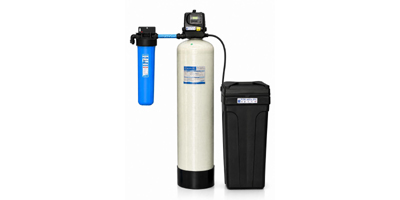
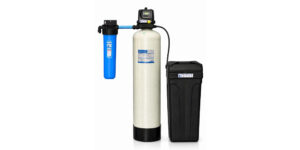
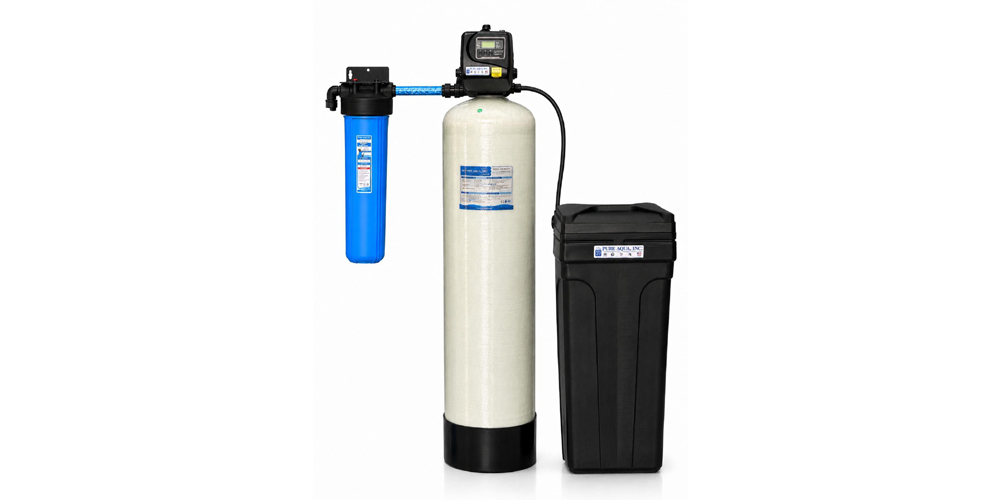
AQUALUXE WHOLE HOUSE WATER TREATMENT
PREMIUM WATER TREATMENT FOR LUXURY VILLAS & HOMES
Peak Flow Rate:
Up to 24 GPM
Home Size:
2 to 8 Bathrooms
- Reduces Chlorine, Taste & Odor
- Reduces Water Hardness & Scale
- Fully Automatic Operation
- Models: 100, 200, 300 & 400
Pure Aqua has over 20 years of experience as a global supplier of
water softener systems throughout various industries and applications. Our team provides water softening solutions to industrial, commercial, and residential applications that require the reduction of hardness levels in their water. Pure Aqua water softener systems are engineered for dependable operation, long service life, and a wide range of treatment capacities.
When water is hard, calcium and magnesium can contribute to scale deposits in piping, boilers, heat exchangers, water heaters, fixtures, and other water-using equipment. A properly selected water softener system reduces hardness and helps control these deposits.
Scale buildup can restrict piping and reduce the efficiency of boilers, water heaters, heat exchangers, and other equipment. Reducing water hardness can therefore help protect equipment and reduce hardness-related maintenance requirements.
Water softening is widely used in residential, commercial, and industrial applications where calcium and magnesium concentrations create operational or water-quality concerns.
What Do Water Softeners Do?
Water softeners use ion exchange technology to reduce positively charged hardness ions in water. The primary hardness minerals treated by conventional water softeners are calcium (Ca²⁺) and magnesium (Mg²⁺).
As hard water passes through the resin bed, calcium and magnesium ions are exchanged for sodium ions. Over time, the resin reaches its operating capacity and must be regenerated using a brine solution.
Pure Aqua offers automatic, semi-automatic, and manually operated water softening configurations for different residential, commercial, and industrial requirements.
How Does Water Softening Work?
Inside the softener vessel is a bed of ion exchange resin. During normal service, hardness minerals such as calcium and magnesium are captured by the resin while sodium ions are released into the treated water.
When the resin becomes exhausted, the control system initiates regeneration. A concentrated brine solution passes through the resin bed, replacing the accumulated calcium and magnesium with sodium and restoring the resin for another service cycle.
How Long Does a Water Softener Last?
The service life of a water softener depends on water quality, operating conditions, equipment construction, resin quality, regeneration frequency, and proper maintenance. A correctly sized and maintained system can provide many years of dependable service.
How Often Should Salt Be Added to a Water Softener?
Salt consumption depends on water hardness, water usage, resin capacity, system size, and regeneration settings. The brine tank should be inspected regularly and maintained with sufficient salt for proper regeneration. Metered systems can help optimize regeneration based on actual water consumption.
Benefits of Water Softener Systems
- Reduces calcium and magnesium hardness
- Helps reduce scale buildup in piping and equipment
- Helps protect boilers, heat exchangers, and water heaters
- Helps reduce mineral spotting on fixtures and surfaces
- Supports longer service life of water-using equipment
- Automatic regeneration options are available
- Residential, commercial, and industrial configurations are available
Whole-House Water Treatment with AQUALUXE
For luxury villas and premium residences, AQUALUXE combines whole-house carbon filtration with automatic water softening in one integrated treatment solution. The carbon filtration stage helps reduce chlorine, unwanted taste, and odor, while the water softening stage reduces calcium and magnesium responsible for water hardness and scale.
AQUALUXE is available in multiple sizes for homes with approximately 2 to 8 bathrooms, with models selected according to water hardness, required flow rate, household demand, and other site conditions.
Learn More About the AQUALUXE Whole House Water Treatment System
Applications for Water Softener Systems
- Food & Beverage
- Spot-Free Car Wash
- Restaurant Water Treatment
- Hospital Water Treatment
- Laundry Facilities
- Hotels and Hospitality
- Luxury Villas and Residential Homes
- Boiler Feed Water
- Cooling Water Applications
- Industrial Process Water
Choosing the Right Water Softener
Selecting the correct water softener depends on the hardness concentration of the incoming water, required service flow rate, daily water consumption, available pressure, required exchange capacity, and regeneration requirements. Pure Aqua and Aqua Components can assist with system selection based on your water analysis and application requirements.
For additional information about water softening and water treatment technologies, visit our water treatment blog or contact Aqua Components for assistance with system selection.
Showing 1–8 of 9 results